
Woman relaxing on a sofa with her eyes closed, tucked into a warm blanket as a dog naps beside her on the couch by a sunny window. | clear mind utah

Wired but exhausted

What Is NSDR?
The Nervous System Reset Andrew Huberman Swears By

You did everything right today. You got your steps in, you ate reasonably well, you didn't snap at anyone who didn't deserve it. And by 3pm you're still wrecked — wired, foggy, one bad text away from unraveling.

That's not a willpower problem. That's a nervous system that never actually got to rest.

Quick answer: NSDR (non-sleep deep rest) is a guided relaxation practice — Andrew Huberman's own term for yoga nidra — that brings your body into a deeply relaxed state without falling fully asleep. It's free, takes 10 to 30 minutes, and has real research behind it.

What is NSDR?

NSDR is a guided practice: you lie down, close your eyes, and follow simple breathing and body-awareness instructions for 10 to 30 minutes. No poses, no chanting, nothing to get right. The goal is to bring your body into a state between waking and sleep — deeply relaxed, but not actually asleep.

The name is new. The practice isn't. NSDR is Huberman's own term for yoga nidra, a rest practice with roots in Indian yogic tradition that's been studied for decades.

Not the same as a nap. Naps work best within specific windows — under about 25 minutes, or closer to 90 — or you risk waking up groggier than when you started. NSDR doesn't seem to carry that same penalty, which is part of why it's become a go-to for an afternoon reset instead of a nap.

What the research actually says

Here's what's actually been studied, not just talked about on a podcast:

65%

Increase in dopamine release found via PET scan during yoga nidra meditation (2002 study).

13 min

Daily practice linked to improved attention, memory, and reduced anxiety in NYU-led research.

RCT

A randomized controlled trial found yoga nidra was associated with improved sleep in chronic insomnia.

Separate research has also linked the practice to measurable changes in motor memory consolidation and brain connectivity.

None of this means NSDR is a fix for everything, and it isn't a replacement for real sleep. But there's real research behind it, which is more than you can say for most things that show up on your For You page.

How to actually do it

You don't need equipment, an app subscription, or a teacher. All you need is 10 minutes and a place to lie down.

1

Get comfortable

Lie down or sit somewhere comfortable. Close your eyes.

2

Follow a guided audio

Huberman has free ones on YouTube and Spotify; plenty of other options exist too.

3

Shift into sensation

Let your attention move from thinking and planning into pure sensation — what you hear, what you feel in your body.

4

Stay there

10, 20, or 30 minutes. There's no wrong way to do this beyond trying to force it.

Person lying down with phone set aside, taking ten minutes for an NSDR reset If you fall asleep, that's fine too. It just means you needed the sleep more than the practice.

Where this fits with nervous system work

Soft light through a window, evoking the body settling into rest

NSDR is a genuinely useful, free tool for helping your body find its way out of a stuck stress response. It's also a good example of something we talk about a lot here: your nervous system isn't broken when it can't calm down on command — it's just stuck in a pattern.

Practices like NSDR work on that pattern from the outside in, starting with breath and body instead of trying to think your way calm. Microcurrent neurofeedback works with a similar underlying idea from a different angle, supporting your brain's own ability to shift out of a chronic stress pattern. Many clients use both: NSDR as a free, daily tool, and neurofeedback sessions for something more structured.

FAQs about NSDR

Is NSDR the same thing as yoga nidra?
Yes, mostly. NSDR is Andrew Huberman's own term for yoga nidra, a much older rest practice. He's said he started calling it NSDR to make it more approachable for people who hear "yoga" and assume it means movement.
Is NSDR the same as taking a nap?
No. Naps tend to work best within specific windows — short enough to avoid deep sleep, or long enough to complete a full cycle — or you risk waking up groggier than before. NSDR doesn't seem to carry that same restriction, and you stay in a relaxed-but-awake state rather than actually falling asleep.
How long before I notice a difference?
Individual experiences vary. Some people notice feeling calmer or more focused the first time they try it. Research on measurable cognitive benefits, like improved attention and memory, generally looked at consistent daily practice over a period of weeks, not a single session.
Is there anyone who shouldn't try this?
NSDR is generally considered low-risk since it's just guided rest with no physical exertion. That said, if you have a specific medical or mental health condition, it's worth checking with your doctor before adding any new practice to your routine.
Can NSDR replace sleep?
No. It's a different kind of rest, not a substitute for the sleep your body needs. It can be useful for recovering some mental and physical energy when you're short on sleep, but it isn't a workaround for skipping it regularly.
Do I need an app to do this?
No. Free guided NSDR and yoga nidra sessions are widely available on YouTube and other platforms. All you actually need is a quiet place to lie down and something to guide you through it.

Bringing it back together

NSDR is one of the simplest, best-evidenced tools available for helping your nervous system come down off high alert — and it costs nothing but a little time.

If you've tried tools like this and you're still feeling stuck in overdrive, that's worth a conversation.

Troy Gundersen, IASIS MCN Practitioner at Clear Mind Utah

About the Author

Troy Gundersen

Troy is the co-founder and owner of Clear Mind Utah, a family-owned microcurrent neurofeedback center in American Fork, Utah. He and his wife Valerie opened the center after experiencing firsthand how a stuck nervous system can quietly take over, and how much is possible when it finally shifts. Troy works alongside Val and their daughter Sydni to help adults and families across Utah County find their way back to calm. Learn more about the team →


IASIS MCN Practitioner American Fork, Utah Family-Owned Center

Clear Mind Utah  ·  21 E. 100 N., Ste. 101, American Fork, Utah  ·  (385) 304-4434

Individual experiences vary. This technique is offered as general self-care information and is not a substitute for medical or mental health treatment. Clear Mind Utah provides microcurrent neurofeedback as a wellness and nervous system support service. We do not diagnose, treat, or cure any medical or mental health condition. If you are experiencing a mental health crisis, please contact a qualified professional or call or text 988 to reach the Suicide and Crisis Lifeline.

author avatar
Troy Gundersen

Featured Articles

FREE PDF GUIDE
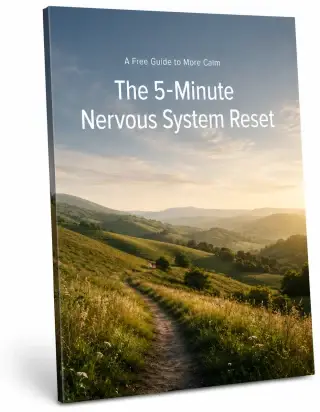
The 5-Minute Nervous System Reset free guide cover

The 5-Minute Nervous System Reset

Four fast, evidence-informed techniques you can use the moment stress hits — no equipment, no appointment. Get it free, straight to your inbox.

Get the Free Guide →

No spam. Unsubscribe anytime.

BY TROY & VALERIE GUNDERSEN
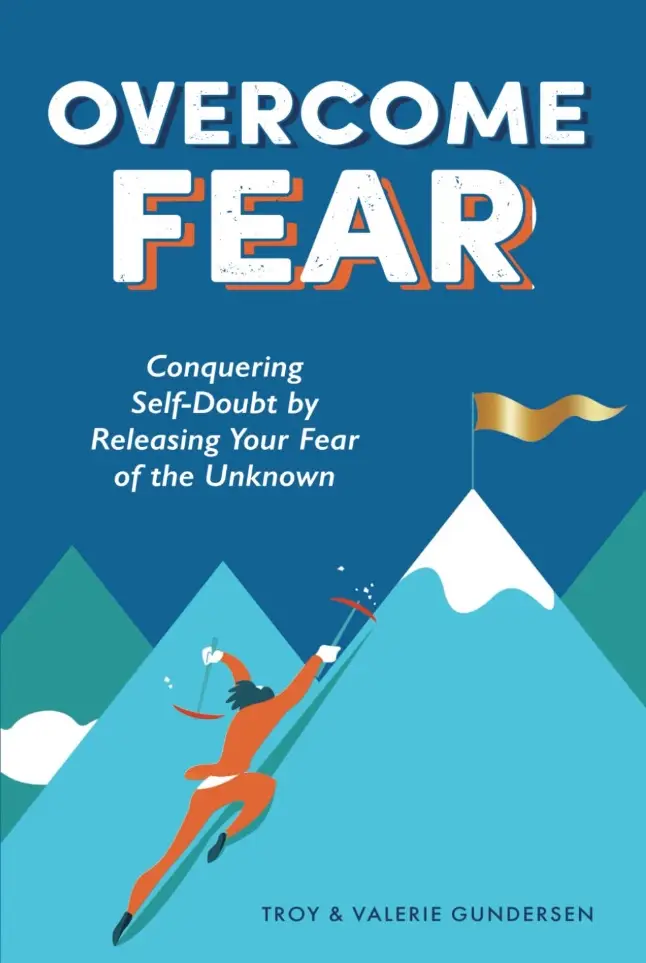
Overcome Fear book by Troy and Valerie Gundersen

Overcome Fear

Real tools for moving through self-doubt and the fear of the unknown — from the founders of Clear Mind Utah.

Get It on Amazon →
Find-Us-Here.com - the world's largest business and community directory covering Australia, Canada, New Zealand, United Kingdom and United States