
Woman lying in bed at night, gazing upward with a dog sleeping on a cozy blanket beside her; moonlit window and warm lamp on a bedside table create a quiet, intimate bedroom scene. | clear mind utah

The 3 A.M. Club

3 A.M. Again.
Your Brain Picked the Worst Possible Time to Replay Everything

You're staring at the ceiling, doing sleep math nobody asked for, probably calculating exactly how wrecked you'll be at your 9 a.m. meeting. You didn't choose this moment. Your body did, and it didn't exactly ask permission. Here's what's actually happening, and how to get back to sleep.

More Common Than You Think

You're Not Broken. You're Not Even Unusual.

Here's the thing nobody tells you: waking up at 3 a.m. doesn't mean you're broken. It means you're a completely normal human whose brain skipped the "sleep straight through the night" memo that apparently everyone else got.

According to the Sleep Foundation, your deepest, heaviest sleep is front-loaded into the first half of the night. As the night goes on, your sleep naturally gets lighter, and REM sleep (the dreaming stage) takes up more of the back half. Lighter sleep stages are simply easier to wake out of. Most people surface briefly four to six times a night and don't remember any of it, lucky them.

The difference between you and someone who “sleeps through the night” usually isn’t that they never wake up. It’s that they fall back asleep in under a minute and never know it happened.

The Science, Not the Folklore

Your Body Clock Is Already Winding Up For Morning

Your body runs on a 24-hour internal clock whether you like it or not, and cortisol is the overeager intern on that crew who shows up two hours before their shift starts. It's not just the "stress hormone" everyone blames it for, it's also the hormone that gets you up and moving. Research on the cortisol awakening response shows cortisol climbing steadily through the second half of the night, well before you ever open your eyes, and it keeps rising for a while after you're up.

A nightstand clock reading 5:42 beside a glass of water as sunrise begins to light the bedroom window, representing the body's cortisol climb before waking

For years, the popular explanation was that waking up at 3 a.m. "triggers" a cortisol spike, like your hormones set an alarm just to ruin your night. The real, more honest picture is messier than that. Newer research has actually questioned whether waking itself adds anything on top of that normal overnight climb, or whether cortisol is just doing what it always does around that hour, whether you're awake for it or not.

3 a.m. isn’t a cursed number. It’s closer to your body’s own internal shift change.

No Willpower Required

The Daytime Noise Is Gone. The Worry Isn't.

During the day, your brain is busy. Meetings, texts, traffic, the kids, dinner, that one email you're still thinking about. All of that noise does double duty: it keeps you occupied, and it keeps whatever's actually bothering you pushed to the background.

At 3 a.m., none of that noise is around to save you. It's just you, the ceiling, and every questionable decision you've made since 2007. The Sleep Foundation points out that without the day's distractions, your mind turns inward, and your ability to reason your way out of a worry is measurably lower at night than during the day. The same concern that felt manageable at 2 p.m. can feel like a five-alarm fire at 3 a.m., not because anything actually changed, but because you're running on fewer resources.

And it runs both ways. Worrying makes it harder to fall back asleep, and the resulting lost sleep makes the next round of worrying hit harder. One bad night can quietly set up the next one, like a domino effect nobody signed up for.

A Strange Bit of History

Historian A. Roger Ekirch of Virginia Tech found hundreds of references in diaries, court records, and literature describing "first sleep" and "second sleep," two distinct chunks of sleep separated by an hour or more of quiet wakefulness in the middle of the night. Before artificial light, this appears to have simply been how a lot of people slept. A 1990s NIH-funded study found that people deprived of artificial light at night naturally settled into that same two-part pattern within a few weeks. Not everyone agrees the evidence proves this was universal, but it's a good reminder that "sleeping straight through" may be more of a modern expectation than a biological requirement.

What Actually Helps

How to Stop Overthinking at Night

You can't force yourself to stop thinking. Nobody in the history of insomnia has successfully willed their brain to shut up. The move is giving it somewhere else to dump all that energy.

Get Up If You're Stuck

If 20 minutes have passed and you're still spinning, get out of bed. Sit somewhere dim and do something boring. Lying there white-knuckling it tends to make the bed feel like the enemy.

Write It Down

Keep a notepad by the bed. Dumping the thought onto paper tells your brain it's been captured and doesn't need to be held onto anymore.

Skip the Clock Check

Doing math on how many hours are left just adds a second worry on top of the first. Turn the clock face away if you have to.

Try the Long Exhale

In for 4 seconds, out for 8. The extra-long exhale is one of the simplest ways to signal your nervous system that it's safe to power back down.

Leave the Phone Alone

Checking it feels harmless. It's also one of the most reliable ways to turn a 10-minute wake-up into an hour-long one.

Worth a Real Conversation

When to Talk to a Doctor

Waking up once in a while? Completely normal. But a few patterns are worth actually bringing up with your doctor instead of just living with them:

  • Loud snoring, gasping, or choking sounds during sleep, especially if a partner has mentioned it. These can be signs of sleep apnea, which is treatable but needs a real diagnosis.
  • Waking at the same time most nights for weeks, paired with a flat mood or losing interest in things you normally enjoy. That combination is worth mentioning to a doctor, not just working around.
  • Perimenopause. According to Mayo Clinic Press, 40 to 60 percent of women have sleep problems during the menopausal years, including waking through the night, as hormone shifts affect sleep-regulating brain chemistry. If this lines up with your age and timeline, it's worth a direct conversation with your doctor.
  • It's been going on for more than a few weeks and nothing you try is helping. Persistent insomnia has real, treatable causes, and you don't have to just accept it.

If what’s keeping you up at night ever comes with thoughts that scare you, that’s always worth reaching out about right away, not waiting on.

Where This Fits In

If Your Nervous System Won't Switch Off

Sleep is the thing clients bring up unprompted more than almost anything else. Not because we promise it, but because a nervous system stuck in high alert all day often has a harder time fully powering down at night too.

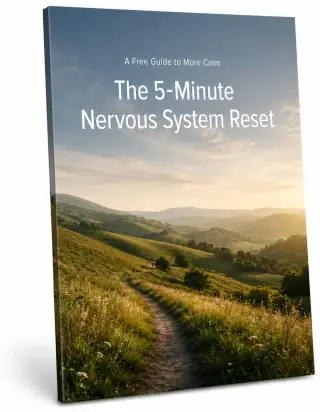
Microcurrent neurofeedback is one option some clients explore alongside the steps above, not instead of them. If you want to understand how it connects to sleep specifically, our Neurofeedback for Sleep & Insomnia page walks through it. If you'd rather start smaller, our free 5-Minute Nervous System Reset guide is a good first step, no appointment required.

Common Questions

Frequently Asked Questions

Is it normal to wake up at the exact same time every night?
Often, yes. Your sleep cycles and hormone rhythms run on a fairly consistent internal schedule, so if your body tends to surface during a lighter sleep stage, that can land at a similar time most nights. It's usually a pattern, not a message.
Does waking up at night mean something is wrong with me?
On its own, no. Brief nighttime wake-ups are a documented, normal part of sleep architecture. It becomes worth looking into if it's paired with loud snoring, a flat mood that's stuck around for weeks, or if it's making you exhausted during the day.
What if I can't fall back asleep at all?
Lying there fighting it usually backfires. If 20 minutes or so have passed, get up, keep the lights dim, and do something low-key until you feel sleepy again, then head back to bed.
Is 3 a.m. waking connected to anxiety?
It can be. Anxiety and sleep disruption feed each other in both directions, and nighttime is when distractions disappear and worries get louder. It's not the only explanation, but it's a common one.
When should I actually see a doctor about this?
If it's been happening most nights for more than a few weeks, if you or a partner notice snoring or gasping, or if it's showing up alongside a low mood, those are all good reasons to bring it up at your next appointment rather than just living with it.
Troy Gundersen, IASIS MCN Practitioner at Clear Mind Utah

About the Author

Troy Gundersen

Troy is the co-founder and owner of Clear Mind Utah, a family-owned microcurrent neurofeedback center in American Fork, Utah. He and his wife Valerie opened the center after experiencing firsthand how a stuck nervous system can quietly take over, and how much is possible when it finally shifts. Troy works alongside Val and their daughter Sydni to help adults and families across Utah County find their way back to calm. Learn more about the team →


IASIS MCN Practitioner American Fork, Utah Family-Owned Center

Clear Mind Utah  ·  21 E. 100 N., Ste. 101, American Fork, Utah  ·  (385) 304-4434

Individual experiences vary. This technique is offered as general self-care information and is not a substitute for medical or mental health treatment. Clear Mind Utah provides microcurrent neurofeedback as a wellness and nervous system support service. We do not diagnose, treat, or cure any medical or mental health condition. If you are experiencing a mental health crisis, please contact a qualified professional or call or text 988 to reach the Suicide and Crisis Lifeline.

author avatar
Troy Gundersen

Featured Articles

FREE PDF GUIDE
The 5-Minute Nervous System Reset free guide cover

The 5-Minute Nervous System Reset

Four fast, evidence-informed techniques you can use the moment stress hits — no equipment, no appointment. Get it free, straight to your inbox.

Get the Free Guide →

No spam. Unsubscribe anytime.

BY TROY & VALERIE GUNDERSEN
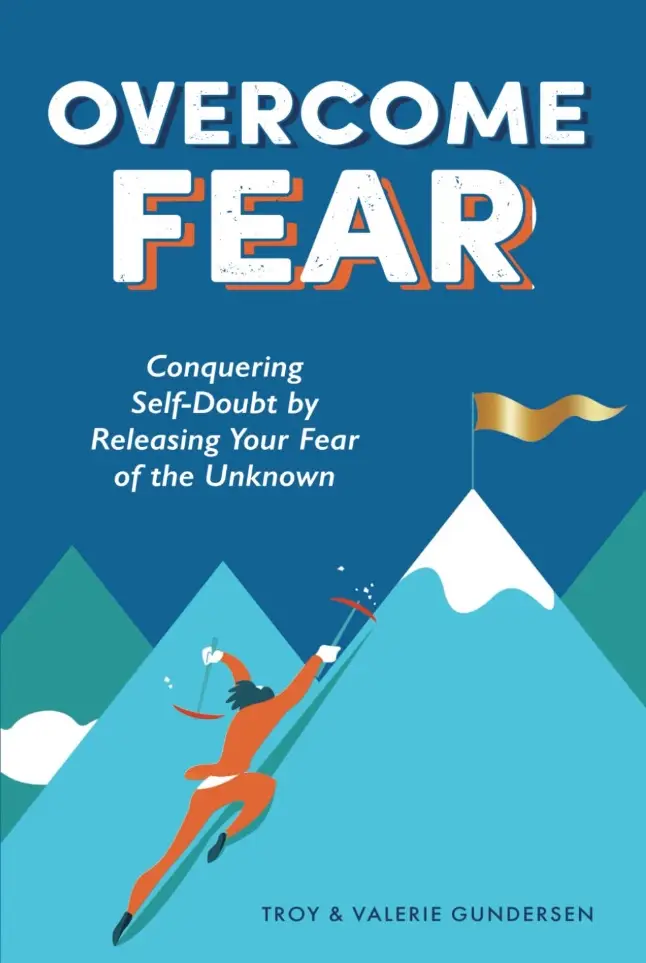
Overcome Fear book by Troy and Valerie Gundersen

Overcome Fear

Real tools for moving through self-doubt and the fear of the unknown — from the founders of Clear Mind Utah.

Get It on Amazon →
Find-Us-Here.com - the world's largest business and community directory covering Australia, Canada, New Zealand, United Kingdom and United States