The honest answer
Do You Need a Brain Map
for Neurofeedback?
Two providers. Two completely different answers.
One says you need a brain map before anything else happens, and hands you a bill for it. The other shrugs and says skip it.
So now you're standing there trying to figure out which one's cutting corners, and which one's just padding the invoice.
Fair question. It deserves a straight answer, including the part where the brain map actually wins.
First, the basics
What a Brain Map Actually Is
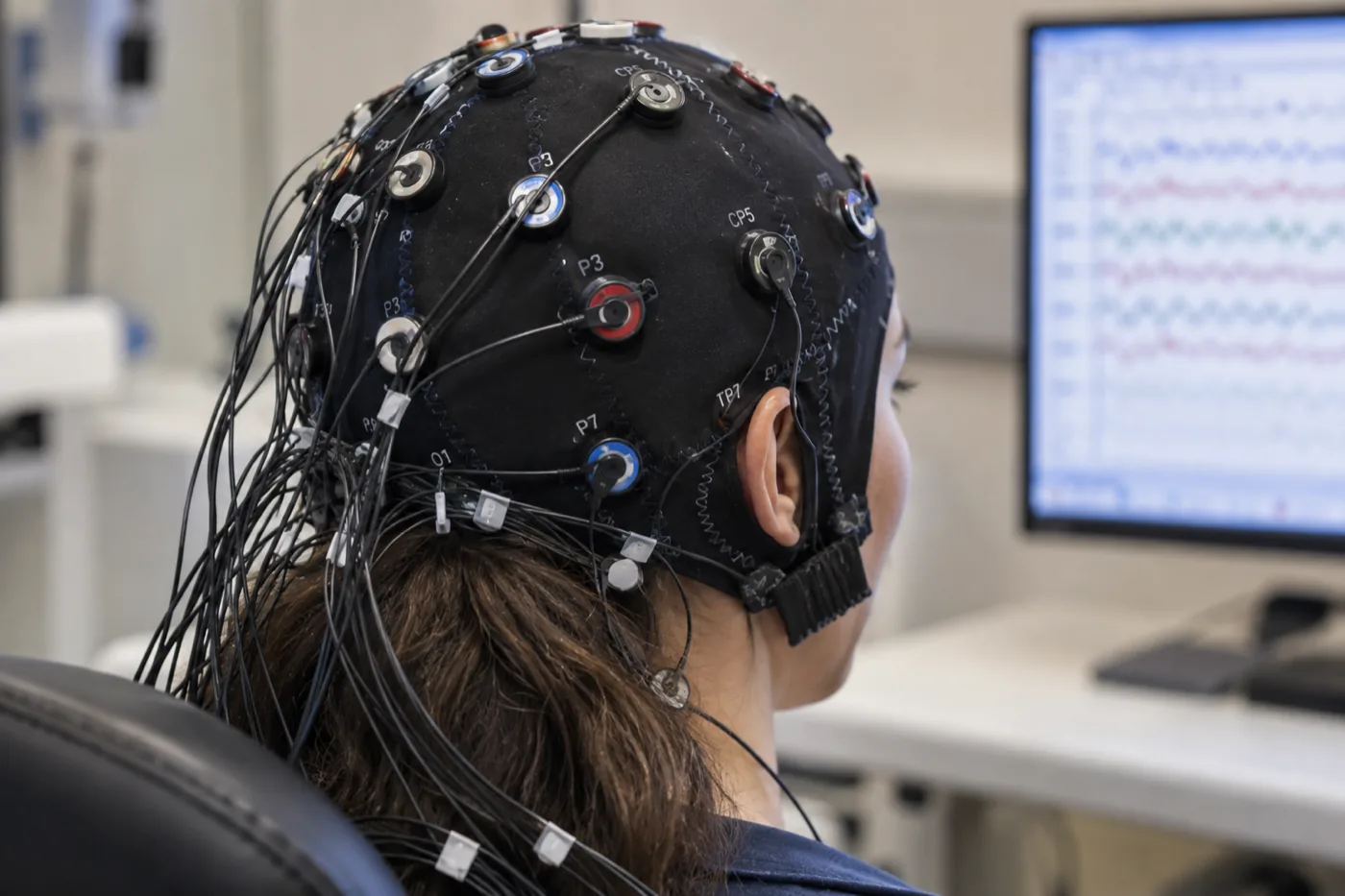
A brain map, or qEEG (that's short for quantitative electroencephalogram), is a real recording of your brain's electrical activity. Sensors go on your scalp. You sit still, eyes open, then eyes closed, trying not to think about how long it's taking. Software compares your readings against a database of other people's.
This is the tool behind the older, operant-conditioning style of neurofeedback specifically, not the newer microcurrent approach we use. More on that difference below.
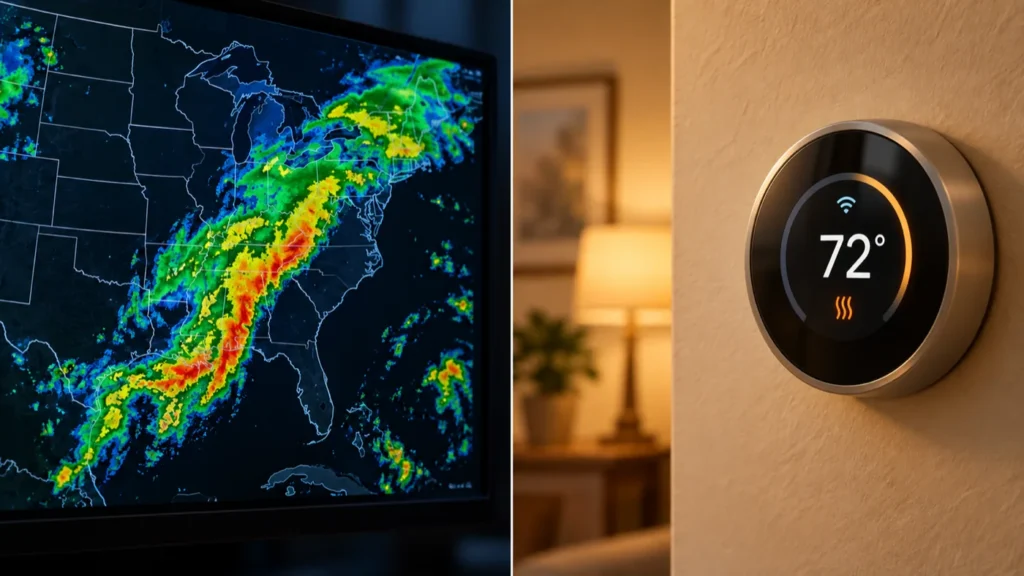
What comes back looks a little like a weather map of your own skull: blues and reds showing where your activity runs hotter or cooler than average for your age.
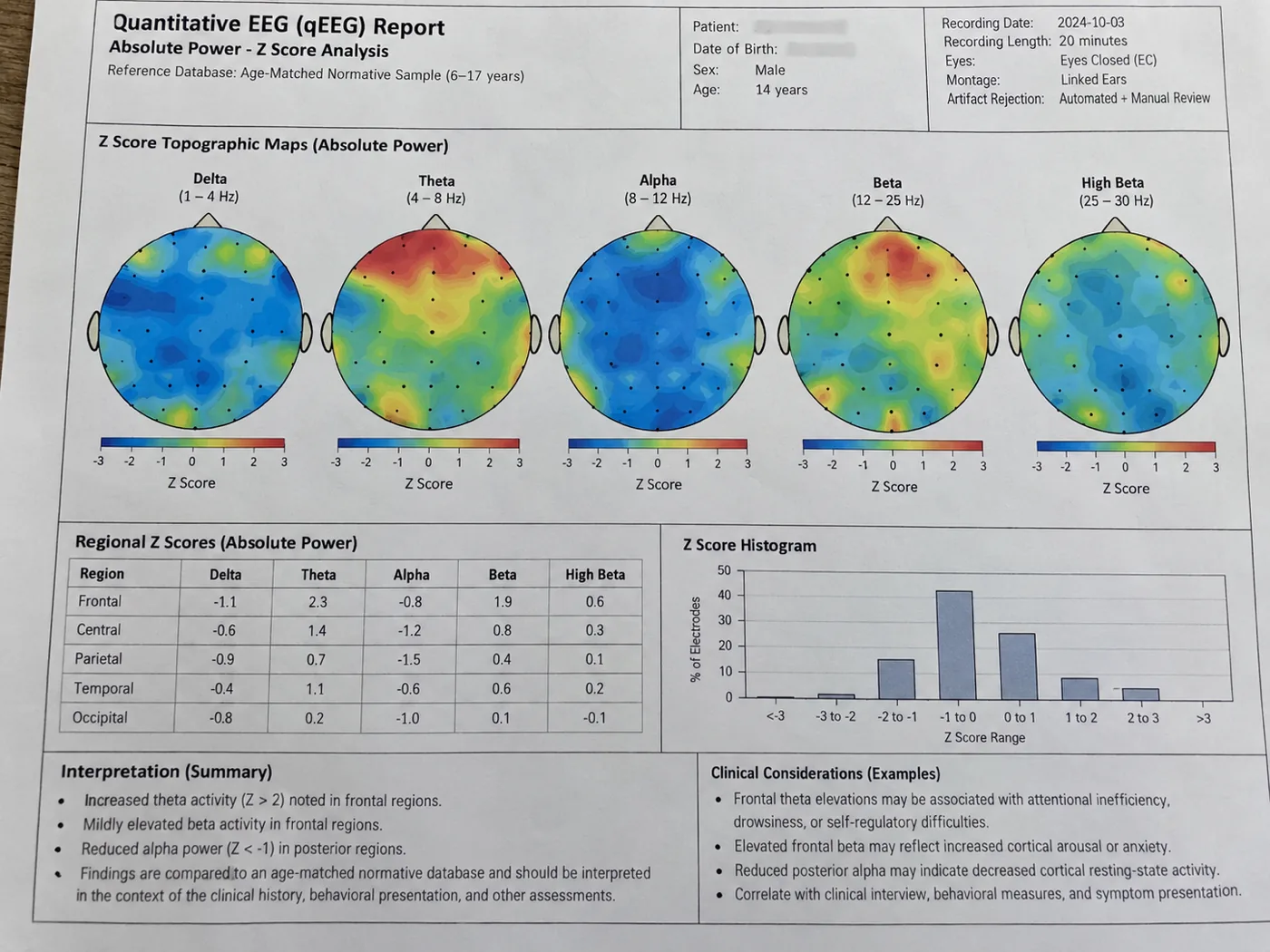
That part is real, established science. We're not about to pretend otherwise just because it's not part of our own approach.
The part that makes sense
Why Traditional Neurofeedback Needs One
Traditional neurofeedback is training, the same basic idea as teaching a dog a trick, except the dog is your brain and the reward is a sound effect instead of a biscuit.
Your brain produces a certain pattern, the software notices, and you get rewarded: a tone, a video that plays smoothly, a game that moves forward. Do that enough times and your brain starts chasing the reward on its own.
But training needs a target. Somebody has to decide which frequency, at which exact spot on your head, earns the reward, and that can't be picked out of thin air.
That's the map's job. It's the aiming device. Skip it, and a traditional provider isn't training you anymore. They're guessing, which is exactly why a good one won't.
Where it diverges
Why Microcurrent Neurofeedback Doesn't
Microcurrent neurofeedback doesn't train you toward anything. No reward, no game, no task to get right.
You just sit there, relaxed. Most people close their eyes, and some fall asleep, which is honestly a fine way to spend a session. But you being still doesn't mean nothing's happening.
The equipment is reading your nervous system's activity continuously, the entire session, not just once at the start, and answering back immediately with an extremely brief, extremely low-intensity microcurrent based on exactly what it just found. Then it reads again. Responds again. That loop runs nonstop until the session ends.
Here's the simplest way to think about it. A brain map is like a starting-point photo, taken before training begins, so a traditional provider knows exactly what pattern they're trying to change and where it's starting from.
That doesn't mean nothing's being worked toward. The broad aim is supporting your nervous system's own ability to shift out of fight-or-flight and toward rest-and-digest, the state where your body can actually settle. That's a general direction, not one specific, fixed brainwave pattern chosen in advance.
Instead, it's a live, constant back-and-forth between the equipment and your nervous system, running the whole time you're in the chair, not a single snapshot taken once and filed away.
A map makes sense when you're aiming at one exact, predetermined pattern. It makes less sense when what you're supporting is a direction your nervous system is already capable of finding on its own, session by session. That's the plain, real reason a brain map isn't part of what we do here.
Traditional Neurofeedback
Microcurrent Neurofeedback
The simplest way to picture it
The Weather Report and the Thermostat
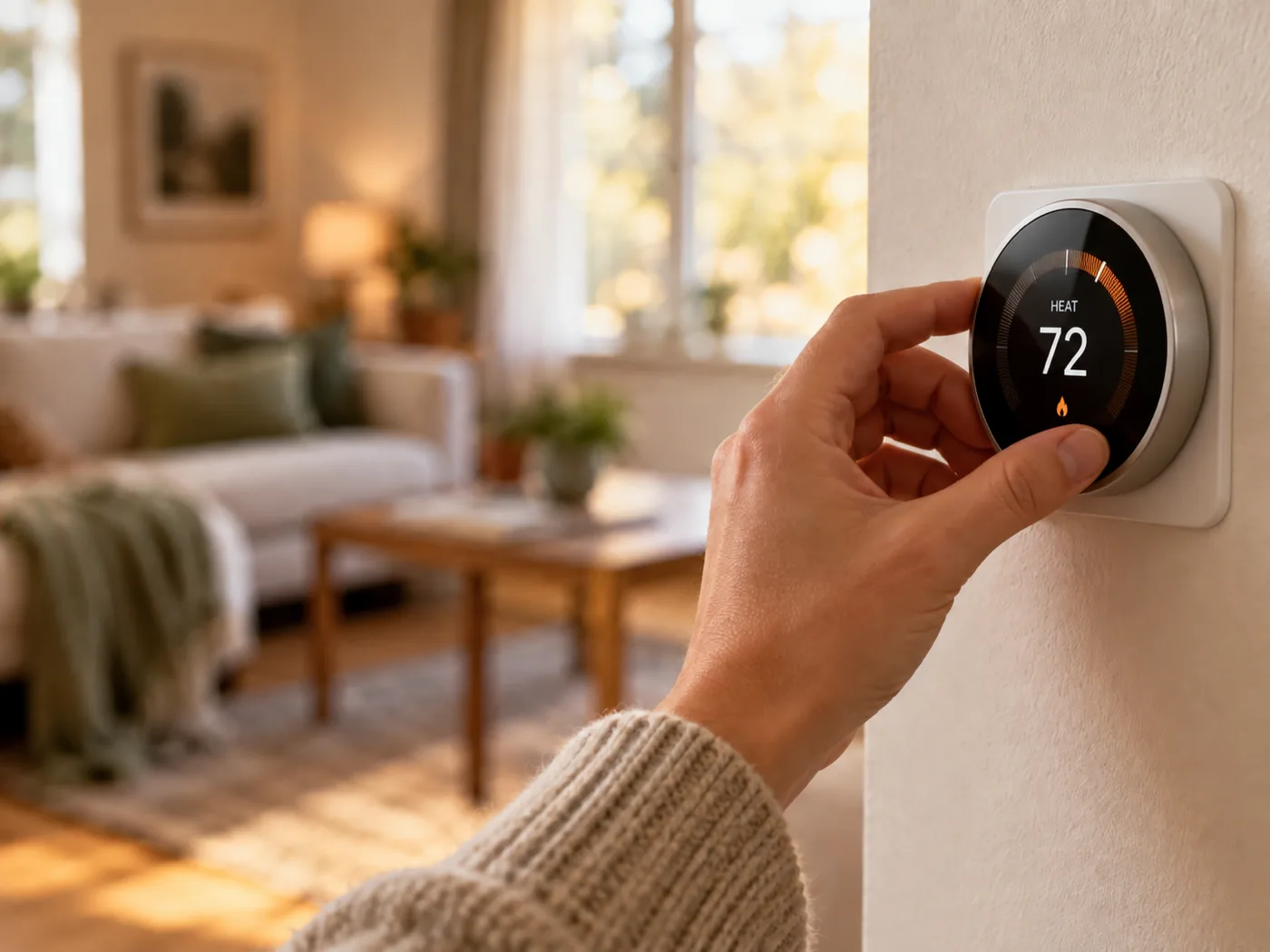
Think of a brain map as a weather report: a detailed, accurate snapshot of conditions on one specific day. Genuinely useful, if you're planning around that one day.
Microcurrent neurofeedback is a thermostat. It doesn't care what yesterday's forecast said. It reads the room it's actually in, right now, and keeps reading it the whole session.
You don't dig up last week's forecast to make a room comfortable tonight. You just adjust the dial.
So if someone asks whether we measure anything at all: yes. Every session responds to your nervous system exactly as it is that day, not a snapshot from six weeks ago. We're not skipping the measuring. Ours just never clocks out.
The part nobody mentions
What You're Not Paying For
Here's the part that rarely comes up.
A brain map isn't free, often several hundred dollars, sometimes a lot more. It isn't fast either: a recording appointment, a wait while someone reads it, then another visit to actually go over it with you. For a lot of people, that's two or three weeks before a single real session happens.
Skip the map, and that money and that time go straight into actual sessions instead. If you've been waiting a long time to feel like yourself again, starting this week instead of next month matters more than it looks on paper.
Being straight with you
When a Brain Map Is Genuinely the Right Call

Better you hear this from us than find it out later and start wondering what else we left out.
If you're doing traditional neurofeedback: get the map. The whole protocol is built from it, and a provider who skips that step is cutting a corner that actually matters.
A brain map can also be worth having just because you want the data. Some people like knowing. Some want a document to compare against later. Both are perfectly good reasons, and neither one has anything to do with which approach actually fits you.
Here's what a brain map can't do, though: tell you what's wrong with you. Reading one as a verdict on your mental health crosses into diagnosis, and that's a licensed clinician's job, not a wellness center's. Anyone who hands you a colorful heat map along with a tidy explanation of your anxiety has gone further than the image can actually support.

Common questions
Brain Maps and Microcurrent Neurofeedback
Free 30-minute consultation
Still Not Sure Which Approach Fits You?
Bring the question with you. A free consultation is a low-pressure way to talk through what you actually want and whether microcurrent neurofeedback makes sense for you. If it doesn't, we'd rather say so.
No pressure. No referral needed. Flexible scheduling including evenings and Saturdays.
Clear Mind Utah · 21 E. 100 N., Ste. 101, American Fork, Utah · (385) 304-4434
Individual experiences vary. This technique is offered as general self-care information and is not a substitute for medical or mental health treatment. Clear Mind Utah provides microcurrent neurofeedback as a wellness and nervous system support service. We do not diagnose, treat, or cure any medical or mental health condition. If you are experiencing a mental health crisis, please contact a qualified professional or call or text 988 to reach the Suicide and Crisis Lifeline.
Where to go from here
Who This Helps, and What to Explore Next
This one tends to land with people who are partway through comparing providers, have a quote for a brain map sitting in their inbox, and want to understand what they'd actually be buying before they commit to it.

About the Author
Troy Gundersen
Troy is the co-founder and owner of Clear Mind Utah, a family-owned microcurrent neurofeedback center in American Fork, Utah. He and his wife Valerie opened the center after experiencing firsthand how a stuck nervous system can quietly take over, and how much is possible when it finally shifts. Troy works alongside Val and their daughter Sydni to help adults and families across Utah County find their way back to calm. Learn more about the team →