The Challenge of Modern Life
In today's fast-paced world, a lot of people find themselves dealing with ongoing anxiety, low mood, or irritability. If you've felt trapped in a cycle of worry, restlessness, or emotional exhaustion, you're not alone — these feelings can really get in the way of daily life, relationships, and overall well-being. So what is microcurrent neurofeedback, and could it be worth exploring?
Struggling in Silence
Anxiety, low mood, PTSD, insomnia, and irritability are more common than people tend to admit. Maybe you wake up exhausted after a restless night, or find it hard to focus because your thoughts won't slow down. Friends and family might not fully get what you're going through, which can leave things feeling more isolating than they need to.
What Is Microcurrent Neurofeedback?
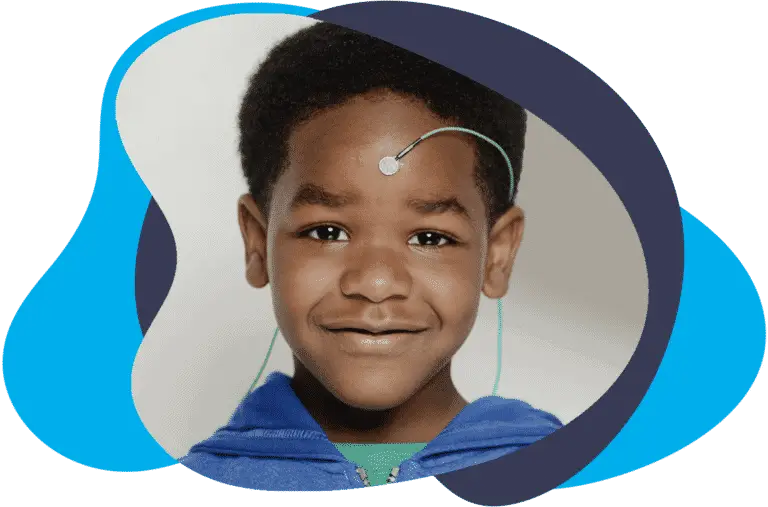
Microcurrent neurofeedback (MCN) is a non-invasive approach designed to support the brain's own regulation. Rather than targeting one specific symptom or condition, it works with the whole brain — the idea being that gently supporting healthier patterns may help create room for improved emotional well-being over time. Individual experiences vary quite a bit here.
How Does It Work?
Microcurrent neurofeedback delivers very low-level electrical stimulation to the brain, aimed at helping the Autonomic Nervous System (ANS) settle into better balance — easing the "fight or flight" response while supporting the "rest and digest" side of things. The goal is to give the brain more opportunity to regulate its own functioning.
What People Commonly Report
1. Working with the Whole Brain
Microcurrent neurofeedback isn't aimed at any one specific condition — it's designed to support the brain's overall regulation. That said, people dealing with anxiety, low mood, PTSD, insomnia, irritability, and other concerns sometimes report noticing a difference.

2. Calmer Days
Some clients mention feeling more at ease after a handful of sessions — a bit less anxious, a bit lighter. Not everyone notices this, and for some it takes longer.
3. Sleep
Insomnia is exhausting, mentally and physically. Some people who try microcurrent neurofeedback report better sleep patterns over time, alongside whatever else they're already doing for their sleep.
4. Handling Stress
Some clients describe feeling a bit more equipped to handle stressors after a while — not a guarantee, but something a number of people mention.
5. Focus
For people dealing with focus or concentration difficulties, some report noticing sharper focus or clearer thinking.
6. General Well-Being
Overall, the aim is supporting a greater sense of well-being — some clients report improvements across different areas of life, though again, this varies a lot person to person.
A Compassionate Environment
At Clear Mind Utah, we aim to provide a safe, respectful, and flexible environment for every client. It's not just about the technology — it's about treating each person with the care they deserve, whatever brought them in.
Where the Research Stands
If you're wondering whether there's real research behind this, there is a growing body of research on neurofeedback broadly. For a deeper look at the studies behind microcurrent neurofeedback, visit our Neurofeedback Research page.
Curious If This Could Help?
If you're interested in learning more about whether microcurrent neurofeedback at Clear Mind Utah could be a fit for you, our team is happy to answer questions and help you explore it — reach out anytime.
Clear Mind Utah · 21 E. 100 N., Ste. 101, American Fork, Utah · (385) 304-4434
Individual experiences vary. This technique is offered as general self-care information and is not a substitute for medical or mental health treatment. Clear Mind Utah provides microcurrent neurofeedback as a wellness and nervous system support service. We do not diagnose, treat, or cure any medical or mental health condition. If you are experiencing a mental health crisis, please contact a qualified professional or call or text 988 to reach the Suicide and Crisis Lifeline.

About the Author
Troy Gundersen
Troy is the co-founder and owner of Clear Mind Utah, a family-owned microcurrent neurofeedback center in American Fork, Utah. He and his wife Valerie opened the center after experiencing firsthand how a stuck nervous system can quietly take over, and how much is possible when it finally shifts. Troy works alongside Val and their daughter Sydni to help adults and families across Utah County find their way back to calm. Learn more about the team →