
In the Wake of Tragedy: Overcome Trauma from the Charlie Kirk Incident
The shocking assassination of Charlie Kirk during a recent Utah event has left our community grieving, confused, and emotionally raw. As a result, many who attended or witnessed the tragedy, are now faced with the challenge of how to overcome trauma and begin the healing process. The pain is not just emotional — it’s physiological. Your nervous system doesn’t just feel trauma — it stores it.
At Clear Mind Utah, we specialize in helping the nervous system recover from shock, overwhelm, and emotional dysregulation through gentle, non-invasive support. In this difficult time, our hearts are with those affected. Whether you or a loved one is struggling, you’re not alone — and there is help.
Understanding How to Support Your Nervous System After Trauma
When deeply upsetting events happen, the nervous system reacts instantly. Here’s how your body may respond to trauma:
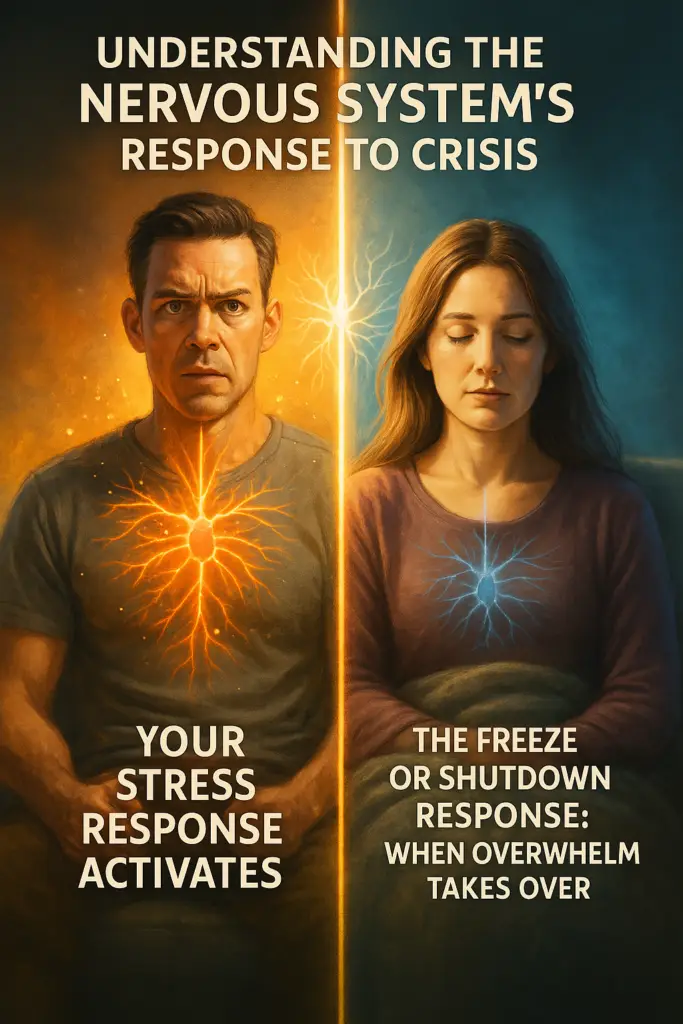
Your Stress Response Activates
The body’s natural alarm system — the sympathetic nervous system — kicks in. This is the well known "Fight or Flight" response. In these moments, you might experience:
Increased heart rate
Rapid or shallow breathing
Muscle tightness
Feeling on edge or emotionally distant
- A flood of adrenalin and cortisol
This stress response is protective — it’s your body’s way of staying alert and ready to take action.
The Freeze or Shutdown Response: When Overwhelm Takes Over
However, not everyone responds to trauma with fight or flight. When the brain perceives danger as inescapable or too intense to process, it can trigger a different survival mode: the freeze response — where the body and mind momentarily shut down.
This isn't weakness — it’s your nervous system protecting you.
You might feel:
Disconnected or emotionally numb
Sudden fatigue or exhaustion
Trouble focusing or making decisions
“Stuck” or mentally frozen
Detached from your body or surroundings (dissociation)
Time distortion — moments feel slow or unreal
Inability to speak or respond normally
Physically, your body may show signs like:
Muscles locking up or going immobile
Breathing slows or becomes shallow
A sudden drop in heart rate (bradycardia)
Heaviness, numbness, or even paralysis
This is your body’s “pause” button — much like how animals instinctively “play dead” when escape isn’t possible. While this response is natural and protective, remaining in it for too long can impact sleep, mood, and relationships.

How Trauma Affects the Brain & Body
When trying to overcome trauma, it's important to understand that trauma doesn’t just live in the mind — it leaves a lasting imprint on the brain and nervous system.
According to the National Institute of Mental Health, traumatic experiences can alter how the brain functions, especially when the event is sudden, violent, or deeply distressing.
As Harvard Health Publishing explains, the brain's built-in stress response is designed to protect us. But when trauma is overwhelming or ongoing, this system can get stuck in survival mode.
Here's what happens:
Amygdala (fear detector): Becomes overactive, keeping your body in a constant state of alert.
Prefrontal cortex (reasoning center): May shut down, making it harder to think clearly, make decisions, or manage emotions.
Hippocampus (memory organizer): Can become impaired, leading to foggy thinking, fragmented memories, or intrusive flashbacks.
When this imbalance persists, it can show up as:
Anxiety or panic attacks
Insomnia or recurring nightmares
Emotional outbursts or numbness
Difficulty concentrating or remembering
These aren’t just emotional issues — they are physiological signs that your nervous system is overwhelmed. The good news? Understanding these patterns is a real first step toward feeling more regulated again. See our Neurofeedback Research page to find out what other conditions our service supports.
Local Trauma Support in Utah: What to Do If You Witnessed a Tragedy
Whether you were physically present at the recent tragedy or deeply shaken by the news, there are steps you can take right now to begin supporting your nervous system as you work through trauma.
1. Acknowledge Your Emotions
There’s no “right” way to feel after something traumatic. Give yourself permission to experience sadness, fear, anger, or even numbness — all are valid.
2. Talk to Someone
Speak with a trauma-informed therapist, a trusted spiritual leader, or a local support group. Processing with others helps restore emotional safety.
3. Support Your Body with Rest and Nutrition
Sleep, hydration, and gentle movement give your nervous system the resources it needs to reset. Start small and be kind to yourself.
4. Limit Media That Triggers You
It’s tempting to stay glued to the news, but too much exposure can retraumatize the brain. Be mindful about how much you're consuming.
5. Consider Gentle Nervous System Support
At Clear Mind Utah, we specialize in IASIS Microcurrent Neurofeedback (MCN) — a safe, non-invasive technology that is aimed at supporting the brain in shifting out of chronic stress. Some clients have reported:
- Better sleep
- Decreased anxiety
- Clearer focus and memory
- A deep sense of calm and emotional balance
How IASIS MCN May Support Trauma Recovery
IASIS MCN (Microcurrent Neurofeedback) is a non-invasive, drug-free method that uses a low-intensity signal to help the brain shift out of stress mode and return to balance.
Unlike traditional talk therapy, MCN doesn't require you to relive traumatic experiences. Instead, it works gently in the background — most people don’t feel the signal at all, yet the brain begins to respond.
As a result, some clients have reported:
Fewer emotional outbursts and better emotional control
Clearer thinking and reduced brain fog
More stable moods and faster recovery from stress
Deeper, more restorative sleep
This approach is designed to support your brain’s own capacity to reset and reorganize over time.
What Makes Clear Mind Utah Different?
At Clear Mind Utah, we believe personalized care makes all the difference — and it shows.
✅ Extended Weekday Hours: We know life is busy. That’s why we offer flexible evening appointments to fit your schedule.
✅ Saturday Sessions: Because healing shouldn’t have to wait until Monday.
✅ Award-Winning Care: Named Best Neurofeedback Provider in Utah for both 2024 and 2025, we’re proud to be recognized for our thoughtful, personalized approach, attention to detail, and compassionate client care.
✅ Personalized Care: Our clients are heard, not rushed. We’re here to support you as you reset and recharge, at your own pace.
Seeing How Clients Overcome Trauma: Real Stories
I feel like I have tried a million different techniques and nothing was helping with my overthinking, anxiety and depression. Medication only worked temporarily before the side effects were more prevalent than the benefits. I would 10/10 recommend it!
Carolina L.
I have loved my experience with Clear Mind Utah. I have had amazing results with MNF. From the very first session I have slept better than I have in years! My stress and anxiety have dwindled and I feel truly happy! Brain fog is a thing of the past! I would highly recommend Troy and Valerie at Clear Mind Utah.
Lisa H.
I love Clear Mind! To be honest, I was in a really bad place when I first came in. I'm normally a very happy, bubbly person, but when I first started with Clear Mind I was very, very depressed and talk therapy was only helping about 1%. After just 4 sessions, I noticed I felt lighter mentally. My life looked better, when all my normal "positive thinking" methods didn't help before; I knew Clear Mind was helping me return to the person I was by restoring my healthy brain waves. I know it sounds like snake oil, but IT WORKS!!! I highly recommend Clear Mind in American Fork to anyone. If you feel you need help, go to Clear Mind!
Kimberly H.
Ready to Feel Like Yourself Again?
If you've been affected by recent events and your nervous system feels overwhelmed, you don’t have to carry it alone. Clear Mind Utah offers gentle trauma recovery support, serving Salt Lake and Utah counties.
Schedule a Free Consultation Today!
📞 Call or Text: (385) 304-4434
Clear Mind Utah · 21 E. 100 N., Ste. 101, American Fork, Utah · (385) 304-4434
Individual experiences vary. This technique is offered as general self-care information and is not a substitute for medical or mental health treatment. Clear Mind Utah provides microcurrent neurofeedback as a wellness and nervous system support service. We do not diagnose, treat, or cure any medical or mental health condition. If you are experiencing a mental health crisis, please contact a qualified professional or call or text 988 to reach the Suicide and Crisis Lifeline.

About the Author
Troy Gundersen
Troy is the co-founder and owner of Clear Mind Utah, a family-owned microcurrent neurofeedback center in American Fork, Utah. He and his wife Valerie opened the center after experiencing firsthand how a stuck nervous system can quietly take over, and how much is possible when it finally shifts. Troy works alongside Val and their daughter Sydni to help adults and families across Utah County find their way back to calm. Learn more about the team →