

One of the most common questions people ask is how many neurofeedback sessions it actually takes.
It’s a fair question. People want to know how long it takes, what they might notice, and whether the investment is worth it.
The honest answer is that the number of sessions varies depending on the person and the condition being treated. However, most people begin noticing meaningful improvements within the first few sessions, with deeper changes developing over time.
At Clear Mind Utah, we use IASIS Microcurrent Neurofeedback (MCN), a gentle and efficient form of neurofeedback designed to help the brain regulate itself more effectively.
If you’re new to neurofeedback, you may also want to explore our overview of
neurofeedback therapy to understand how the technology works.
Let’s break down what most people experience.
What the Neurofeedback Timeline Usually Looks Like
While each brain responds differently, many neurofeedback practitioners observe a general pattern of progress across sessions.
Sessions 1–3: Initial Response
During the first few sessions, the brain begins responding to the feedback signals.
Some people report early improvements such as:
• feeling calmer
• sleeping better
• reduced mental fog
• improved focus
• less emotional reactivity
These early shifts often indicate that the nervous system is responsive to neurofeedback.
Sessions 5–10: Noticeable Changes
As sessions continue, changes often become more noticeable.
Clients frequently report improvements such as:
• reduced anxiety or stress
• improved mood
• better sleep consistency
• fewer racing thoughts
• greater mental clarity
For many people, this is when friends or family members begin noticing positive changes as well.
If anxiety is a primary concern, you can learn more about how neurofeedback supports emotional regulation on our Neurofeedback for Anxiety page.
Sessions 10–20: Stabilization
By this stage, the brain has had repeated opportunities to practice healthier patterns.
Many clients describe:
• greater emotional resilience
• improved stress tolerance
• more consistent sleep patterns
• improved focus and productivity
These improvements tend to become more stable and longer lasting.
Sessions 20+ : Long-Term Brain Training
For deeper or long-standing conditions, additional sessions may help reinforce long-term regulation.
Examples include:
• trauma or PTSD
• long-term anxiety
• brain injuries
• chronic stress patterns
• neurological conditions
In these cases, ongoing sessions help the brain continue strengthening healthy neural patterns.

Why Neurofeedback Takes Multiple Sessions
Neurofeedback works by encouraging the brain to learn new patterns of regulation.
Just like physical exercise strengthens muscles through repetition, neurofeedback strengthens healthier brain activity through repeated sessions.
Research in neuroplasticity — the brain’s ability to reorganize and adapt — shows that repetition helps reinforce new neural pathways.¹
This is why neurofeedback is often delivered in a series rather than a single session.
Factors That Influence How Many Sessions You Need
Several factors affect how quickly someone responds to neurofeedback.
1. Severity of Symptoms
Mild stress or sleep issues may improve quickly.
Long-standing conditions like PTSD or chronic anxiety may take longer.
2. Nervous System Sensitivity
Some people have highly reactive nervous systems and may progress more gradually.
Others respond quickly and experience noticeable improvements early on.
3. Frequency of Sessions
Many clients find that a consistent schedule helps changes settle in sooner.
Many clients begin with 1–2 sessions per week to help reinforce the brain’s learning process.
4. Individual Brain Patterns
Every brain is unique.
Neurofeedback is designed to work with your brain’s existing patterns rather than forcing a specific outcome.
This individualized approach is one reason experiences can vary from person to person.
How IASIS Microcurrent Neurofeedback Is Different
IASIS MCN differs from traditional neurofeedback (operant conditioning) in several ways.
Instead of requiring the brain to actively control feedback signals, IASIS delivers extremely low-power microcurrent signals that support and encourage the brain’s natural self-regulation processes.
Many clients appreciate that sessions are:
• short (usually about 10-20 minutes)
• passive
• comfortable
• non-invasive
• drug-free
This approach allows the nervous system to adjust gently without forcing the brain into a specific pattern.
You can learn more about the process and schedule a consultation through our
Neurofeedback Consultation Page.
Signs Neurofeedback Is Working
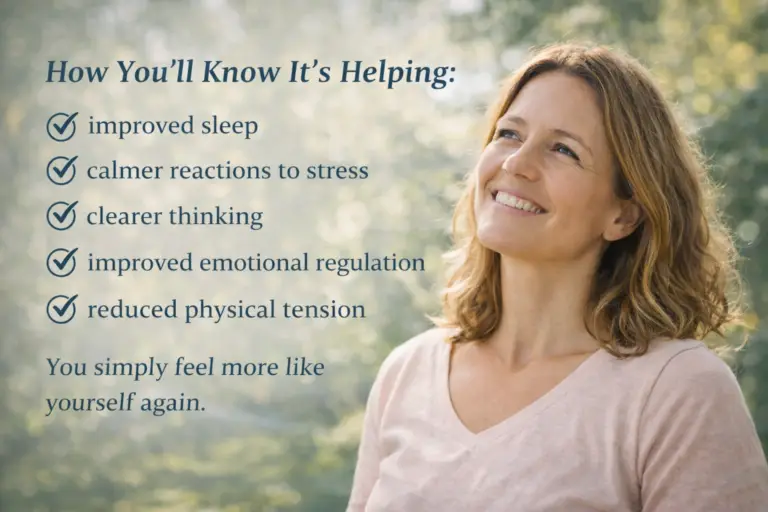
People often wonder how they’ll know if neurofeedback is helping.
Common early indicators include:
• improved sleep
• calmer reactions to stress
• clearer thinking
• improved emotional regulation
• reduced physical tension
Sometimes the changes are subtle at first. Clients often report that they simply feel more like themselves again.
Do the Changes From Neurofeedback Last?
One of the most encouraging aspects of neurofeedback is that improvements often continue even after sessions end.
Because neurofeedback supports the brain’s learning process, many of the changes involve long-term adjustments in neural regulation rather than temporary symptom relief.
However, just like physical fitness, occasional maintenance sessions may help reinforce the brain’s progress over time.
Is Neurofeedback Safe?
Neurofeedback is generally considered a safe, non-invasive therapy when delivered by trained practitioners.
IASIS Microcurrent Neurofeedback uses extremely low levels of electrical current — far lower than those used in many medical devices.
Most clients experience little to no discomfort during sessions. More on neurofeedback saftety.
When Should You Consider Neurofeedback?
People often explore neurofeedback when they experience challenges such as:
• anxiety or chronic stress
• sleep issues
• depression
• learning or speech delays
• brain fog or focus issues
• PTSD or trauma
• migraines or headaches
• post-concussion symptoms
If you’re curious whether neurofeedback may help your situation, the best first step is a free consultation with us.
You can learn more about our services at Clear Mind Utah.
Frequently Asked Questions
Ready to See If Neurofeedback Can Help You?
Every brain is different, which is why the best way to estimate how many sessions you may need is through a personalized consultation.
At Clear Mind Utah, we work closely with each client to understand their goals and create a session plan tailored to their own nervous system.
If you’d like to explore whether neurofeedback could help you or a loved one, you can schedule a FREE consultation here:
Source
Doidge, Norman. The Brain That Changes Itself. Viking Press. (Research on neuroplasticity and repeated neural training)