

How Clear Mind Utah Can Improve Athletic Performance through Heart Rate Variability for High School Athletes
Struggling to Reach Peak Performance?
You’re training hard, eating right, and doing everything you’ve been told to improve your athletic performance. But despite all your effort, you sometimes feel sluggish, mentally fatigued, or like you're not performing at your best when it matters most. Whether it's a critical game or a competitive meet, these off-days can leave you frustrated and wondering what you can do differently.
For many young athletes, the problem goes deeper than just muscle fatigue or improper form—it involves their Heart Rate Variability (HRV) and overall brain function.
If your HRV is out of balance, your body’s ability to recover from stress, manage anxiety, and perform optimally might be compromised.
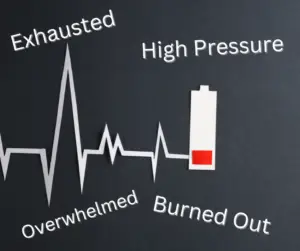
High-Pressure Games, Overtraining, and Mental Burnout
Imagine this: You’re in the final moments of a big game, and your body feels exhausted. You’re mentally checked out, and no matter how hard you try, you just can’t focus or push through the fatigue. What’s worse is that you’ve been experiencing these feelings even after getting enough sleep and sticking to a well-planned training routine. High-pressure games, intense practices, and the stress of competition can all take a toll on your body’s autonomic nervous system (ANS), leading to poor HRV, decreased recovery, and mental burnout. This translates to poor athletic performance.
What if there was a way to train both your brain and heart to handle stress, improve recovery, and boost overall athletic performance?
Microcurrent Neurofeedback Therapy for Optimal HRV and Athletic Performance
The good news is that there is a solution. Microcurrent neurofeedback (MCN) therapy is one option some people explore to help high school athletes improve their HRV, enhance mental clarity, and reach peak performance. By addressing both brainwave patterns and HRV, microcurrent neurofeedback may help promote faster recovery, better focus, and mental calmness during high-pressure moments. With improved HRV, athletes can train smarter, recover faster, and optimize their performance without the risk of overtraining or burnout.
What Is Heart Rate Variability (HRV)?
Before diving into how microcurrent neurofeedback can help, let’s first understand Heart Rate Variability (HRV) and why it matters for athletes.
Unlike a metronome, your heart doesn’t beat at a perfectly consistent rhythm. Instead, your heart rate varies from moment to moment—sometimes faster, sometimes slower—depending on a variety of factors such as your autonomic nervous system, stress levels, and overall health. This fluctuation in the time intervals between heartbeats is known as Heart Rate Variability.

HRV is an important measure because it reflects the balance between your sympathetic nervous system (the fight-or-flight system) and your parasympathetic nervous system (the rest-and-digest system). In other words, it gives insight into how well your body is handling stress and recovery.
- High HRV: A higher HRV generally indicates that your body is balanced, resilient, and able to quickly recover from stress, whether it’s a tough workout or a stressful event.
- Low HRV: A lower HRV suggests that your body is under chronic stress or that your autonomic nervous system (ANS) is out of balance. This can lead to poor recovery, increased fatigue, and mental burnout.
For athletes, especially those in high-pressure environments, a balanced HRV is crucial for optimal athletic performance, recovery, and overall health.
Why HRV Matters for High School Athletes
As a high school athlete, your athletic performance relies on both physical and mental conditioning. From intense practices to high-stakes games, your body is constantly under stress. Without proper recovery, that stress can lead to fatigue, mental fog, and even injury.
Heart Rate Variability (HRV) gives you a window into your body’s readiness to perform and recover.
Athletes with higher HRV can:
- Recover faster from intense workouts and competitions.
- Stay focused and mentally sharp during high-pressure situations.
- Handle stress better, both on and off the field.
- Reduce the risk of overtraining and injury.
Many elite athletes and professional sports teams already use HRV training to optimize athletic performance and recovery.
By training HRV, athletes can improve their body’s ability to adapt to stress, ensuring they’re in the best condition to perform at their peak when it matters most.
How Microcurrent Neurofeedback Therapy Works
Microcurrent neurofeedback (MCN) is a therapy designed to support the brain's own self-regulation by shifting brainwave patterns from dysfunctional to healthy, balanced patterns. Unlike traditional neurofeedback, which often requires active participation from the client, this approach is completely passive. This means that athletes can simply relax while their brain and nervous system are gently nudged toward optimal functioning.
1. Addresses the Autonomic Nervous System (ANS)
The autonomic nervous system is responsible for controlling involuntary functions like heart rate, blood pressure, digestion, and breathing. Microcurrent neurofeedback targets the ANS by calming the overactive sympathetic nervous system (the system responsible for the fight-or-flight response) and strengthening the parasympathetic nervous system (the system that helps the body rest and recover). By doing so, this approach may help balance your body’s response to stress, which is directly linked to HRV.
2. Improves Brain-Heart Communication
The connection between the brain and the heart is crucial for maintaining optimal performance.
In fact, 80-95% of the communication between the heart and brain flows from the heart to the brain, not the other way around. By improving this connection, microcurrent neurofeedback may help support your body’s ability to regulate heart rate variability. This leads to improved focus, reduced anxiety, and better cognitive performance, all of which are vital for athletes.
3. Enhances Recovery and Reduces Mental Fatigue
Microcurrent neurofeedback may help support faster recovery for high school athletes by promoting homeostasis, or balance, in the brain and nervous system.
Whether you’re recovering from a tough workout or managing the stress of an upcoming game, microcurrent neurofeedback may help support the body’s natural balance, leading to better sleep, improved mood, and faster muscle recovery.

Benefits of Microcurrent Neurofeedback for Athletic Performance in High School Athletes
Microcurrent neurofeedback offers numerous benefits for high school athletes who want to perform better, recover faster, and stay mentally sharp. Here’s how microcurrent neurofeedback may help athletes by improving HRV:
1. Enhanced Focus and Mental Clarity
High school athletes are often juggling school, sports, and social activities, which can lead to mental exhaustion. Microcurrent neurofeedback may help athletes achieve better mental clarity and focus, allowing them to stay sharp and perform at their best during critical moments of competition.
- Stay in “The Zone”: Improved brainwave balance allows athletes to reach and stay in the optimal mental state for peak athletic performance.
2. Faster Recovery from Training and Competition
Overtraining and slow recovery can be detrimental to an athlete’s progress. By improving HRV and calming the nervous system, microcurrent neurofeedback may help athletes recover faster from physical and mental stress.
- Improved physical stability: With better HRV, athletes experience fewer muscle injuries and are able to bounce back quickly from intense workouts.
3. Better Stress Management
From pre-game nerves to the pressure of performing in front of crowds, athletes deal with stress constantly. microcurrent neurofeedback may help athletes handle stress more effectively by training the brain to maintain calmness and focus, even in high-pressure situations.
- Reduced anxiety: By balancing the nervous system, athletes can stay relaxed and confident, improving their overall performance.
4. Improved Sleep and Recovery
Quality sleep is essential for muscle recovery and cognitive function. Many athletes struggle with insomnia or restless sleep, especially before big games or competitions. microcurrent neurofeedback may help regulate sleep patterns by improving brainwave balance, ensuring athletes get the restorative rest they need.
- Deep, restful sleep: With improved HRV and reduced mental stress, athletes can enjoy better sleep, which is crucial for recovery and peak performance.
5. Better Physical and Mental Resilience
By optimizing HRV, microcurrent neurofeedback may help athletes build greater resilience to both physical and mental stress. This means they can handle tough training regimens, intense competitions, and everyday challenges with greater ease.
- Increased stamina: With a balanced nervous system, athletes can train harder without burning out or overtraining.
Why High School Athletes Should Consider Microcurrent Neurofeedback with Clear Mind Utah
High school athletes are in a unique stage of their lives where both mental and physical resilience are key to success. Between managing intense training schedules, academics, and social lives, young athletes often find themselves under immense pressure.
Microcurrent neurofeedback offers a way to support overall athletic performance and recovery by improving HRV, which is directly linked to better mental clarity, focus, and physical stamina.
Whether you're preparing for an important game, dealing with stress, or recovering from tough workouts, microcurrent neurofeedback provides a non-invasive option some people explore to support peak performance without medication or invasive procedures. However, you don’t want just anyone administering this therapy —you’ll want a provider who understands athletics and HRV and knows how to leverage it to your advantage. This is where Clear Mind Utah specializes, offering expertise tailored to athletes. With their guidance, you can experience long-lasting benefits like improved mental toughness, faster recovery, and enhanced overall well-being by incorporating microcurrent neurofeedback into your training regimen.
How High School Athletes Can Get Started with Microcurrent Neurofeedback Therapy
At Clear Mind Utah, we understand the specific needs of young athletes striving to excel both on and off the field. Our team of skilled practitioners is here to guide you through the process of microcurrent neurofeedback therapy, ensuring you feel comfortable and supported every step of the way.

Unlock Your Potential Today!
If you're ready to take your athletic performance to the next level, don't wait—schedule your free 30-minute consultation with Clear Mind Utah today! Discover how microcurrent neurofeedback therapy may help support your Heart Rate Variability, improve your recovery, sleep, and help you achieve peak athletic performance in your game!
Book your Free consultation today at the link below to get all your questions answered!
Book FREE 30-Minute ConsultationClear Mind Utah · 21 E. 100 N., Ste. 101, American Fork, Utah · (385) 304-4434
Individual experiences vary. This technique is offered as general self-care information and is not a substitute for medical or mental health treatment. Clear Mind Utah provides microcurrent neurofeedback as a wellness and nervous system support service. We do not diagnose, treat, or cure any medical or mental health condition. If you are experiencing a mental health crisis, please contact a qualified professional or call or text 988 to reach the Suicide and Crisis Lifeline.

About the Author
Troy Gundersen
Troy is the co-founder and owner of Clear Mind Utah, a family-owned microcurrent neurofeedback center in American Fork, Utah. He and his wife Valerie opened the center after experiencing firsthand how a stuck nervous system can quietly take over, and how much is possible when it finally shifts. Troy works alongside Val and their daughter Sydni to help adults and families across Utah County find their way back to calm. Learn more about the team →